
Quatsino First Nation Powers a Sustainable Future with Solar and Tidal Energy
April 22, 2026
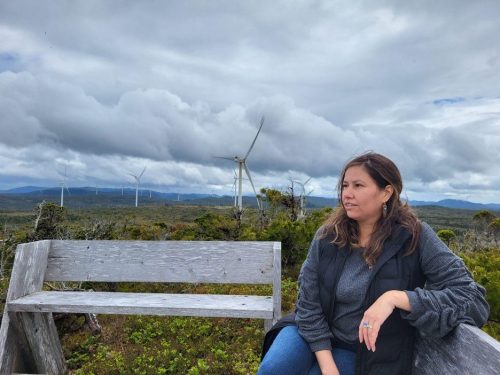
At a Lunch and Learn on April 22, Quatsino First Nation shared its inspiring journey toward energy independence, led by Kara Wilson, the Nation’s Energy Champion. By harnessing solar, wind, and tidal power, the community is building a more sustainable and resilient energy future for its approximately 246 on-reserve members. This work also supports a broader vision: creating the infrastructure and opportunities needed to welcome home the Nation’s 355 off-reserve members to the northwestern tip of Vancouver Island.
A Vision of Energy Independence
Quatsino’s journey began in 2012 with Cape Scott Wind and continued in 2017 with the development of a community energy plan, prioritizing lower energy costs, improved efficiency, and renewable energy exploration. In early 2025, the nation completed the first two phases of its 150-kilowatt solar project, installing solar panels on the administration building and at the daycare, with battery backup storage. The third phase, at the nation’s school, was completed in March of this year, despite delays caused by U.S. tariffs and a public service strike in B.C.
But Quatsino isn’t stopping there. Later this year, the nation plans to launch a tidal energy pilot project—the first of its kind on the west coast of Canada. This initiative, combined with its existing wind farm partnership, positions Quatsino as a leader in clean energy sovereignty among B.C. First Nations.
Overcoming Challenges
Wilson has navigated funding hurdles, manufacturing delays, and bureaucratic challenges to bring these projects to life. She emphasizes the importance of smaller-scale energy projects, which, while not always economically attractive to funders, provide critical benefits to remote communities—lower energy bills, job creation, and energy resilience.
“Our goal is to ensure that every member of Quatsino has reliable energy, no matter the weather,” Wilson says. “We want to show other communities that it is possible to achieve energy independence, even in the face of challenges.”
A Model for Others
Quatsino’s efforts extend beyond energy production. By creating local jobs in construction and maintenance, the nation is fostering economic opportunities for its members and neighbouring communities. Wilson hopes these projects will inspire other First Nations to pursue their own renewable energy initiatives, proving that sustainability and self-sufficiency are within reach.
As Quatsino continues to lead by example, its vision of a cleaner, more resilient future grows closer every day.